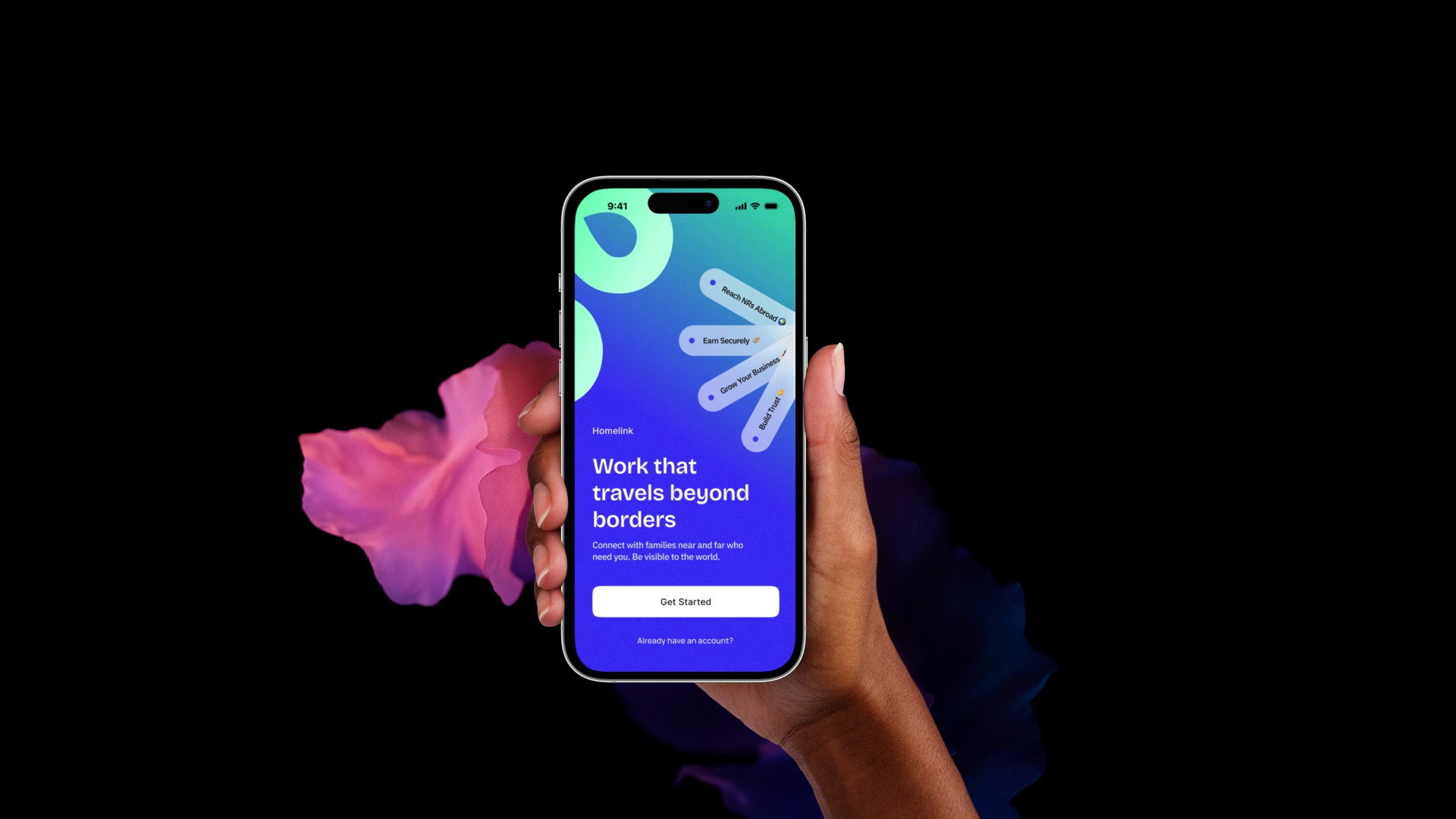
Homelink: Designing Trust for a Multi-Sided Marketplace
How I designed a platform connecting Non-Residents with verified service providers back home—starting with the supply side.
Client / Company
Homelink
My Role
Product Designer (End-to-end mobile experience)
Category
Building 0 -> 1 Product
Year
2025
01
The Product
Homelink is a four-sided marketplace that helps Non-Residents (NRs) hire trusted Service Providers (SPs) in their native place—validated by association-appointed verifiers.
The Ecosystem:
Non-Residents → Post jobs from abroad (web/mobile)
Service Providers → Accept jobs, complete work (mobile app)
Verifiers → Validate work quality (web/mobile dashboard)
Associations → Oversee the network (admin panel)
My Role: Solo Product Designer for designing entire platform
02
The Problem
Picture this:
You're living in the US. Your aging parents in India need someone to: File their taxes Drive them to medical appointments, Maintain the family property while it sits empty, Handle legal paperwork.
Who do you call?
❌ Facebook groups? Unreliable strangers
❌ Distant relatives? They're busy with their own lives
❌ Local services? How do you verify them from 8,000 miles away?
❌ Fly back yourself? Expensive and impractical for every small task
This is the Non-Resident's dilemma.
03
The problem isn't finding people to do the work. It's trusting them.
Both sides face trust barriers:
Non-Residents worry: Will they actually do the work? Can I trust them with sensitive tasks (taxes, property access)? How do I verify quality from thousands of miles away? What if something goes wrong?
Service Providers worry: Will I actually get paid? Is this platform legitimate? What if the client has unrealistic expectations? How do I prove I did the work properly?
Traditional solutions don't solve this: Freelance platforms optimize for volume, not trust Local referrals don't scale Direct hiring is a leap of faith.
Homelink addresses this through a trusted intermediary: association-appointed verifiers who validate both parties and ensure work quality.
This case study is focused on Supplier side of application i.e Service Provider App.
04
Key Design Challenges
4.1
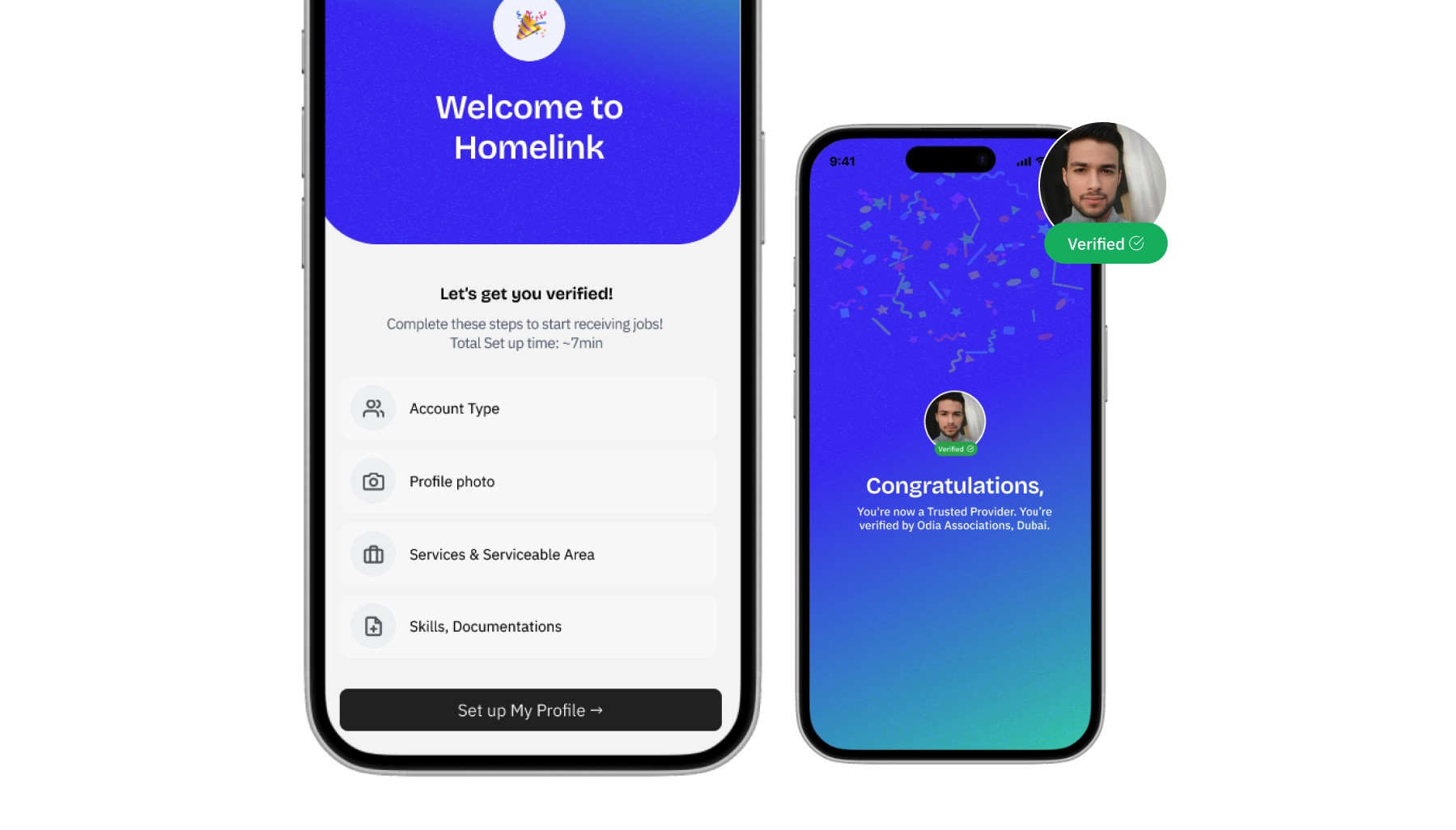
Building Trust Before Getting Work
SPs need to get verified to receive job assignments, but they have no idea:
What verification involves
How long it takes
What documents they need
Why it matters for getting hired
✅ Solutions
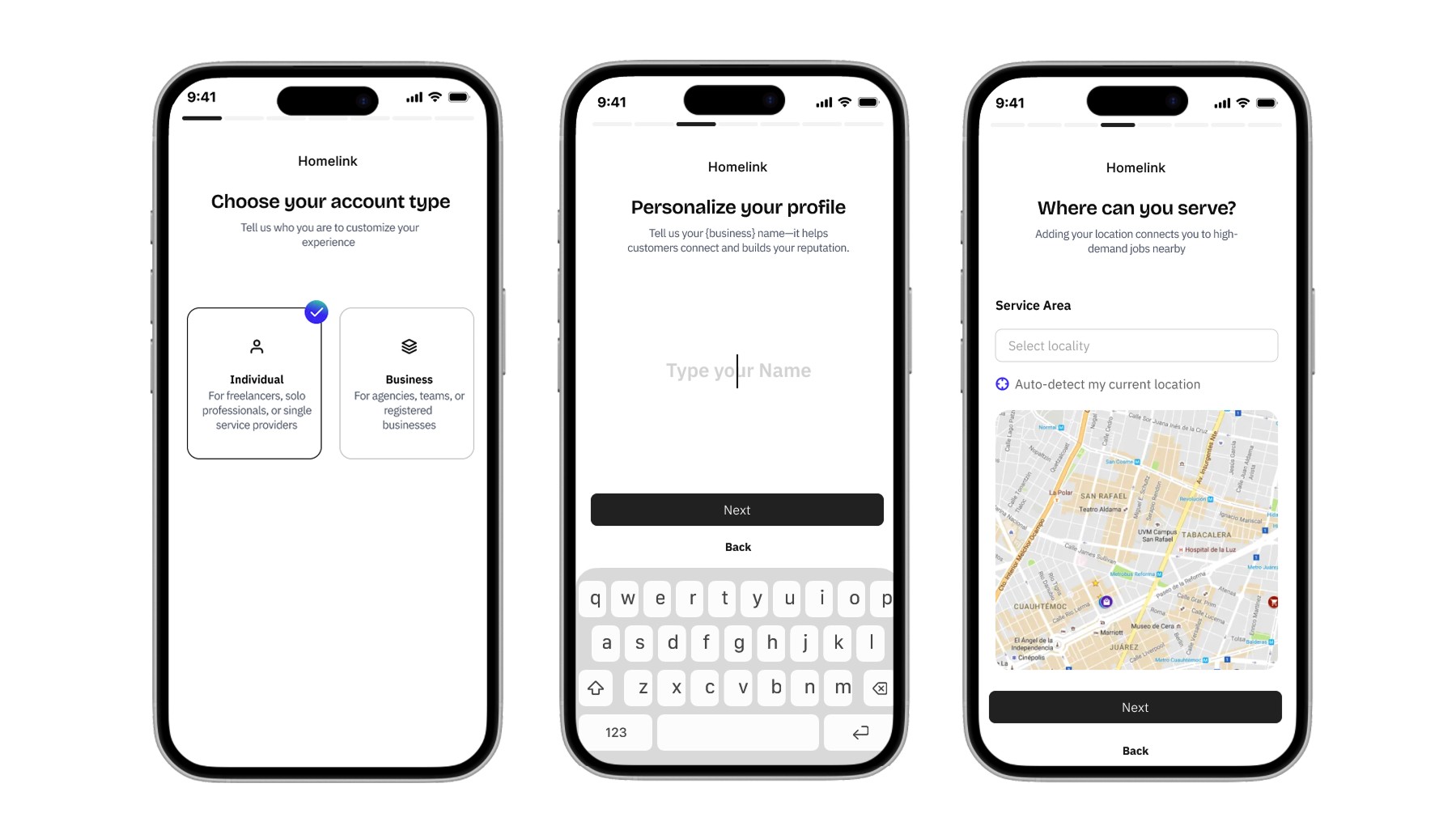
Clear verification explainer during onboarding
Verification badge earned after approval
Sequential Navigation with progressive disclosure during onboarding for guided profile set up
Key Screens
4.2
Understanding Job Assignments When Notified
When an SP gets a notification about a new job assignment, they need to quickly understand:
What service is needed
Where (location/distance)
When (timeline)
Payment amount
If this info isn't clear immediately, SPs might:
Decline good opportunities (unclear requirements)
Accept unsuitable jobs (leading to disputes)
Miss time-sensitive assignments (delayed response)
✅ Solutions
Push notification (Rich Push notification in v2
Quick accept/decline actions

4.3
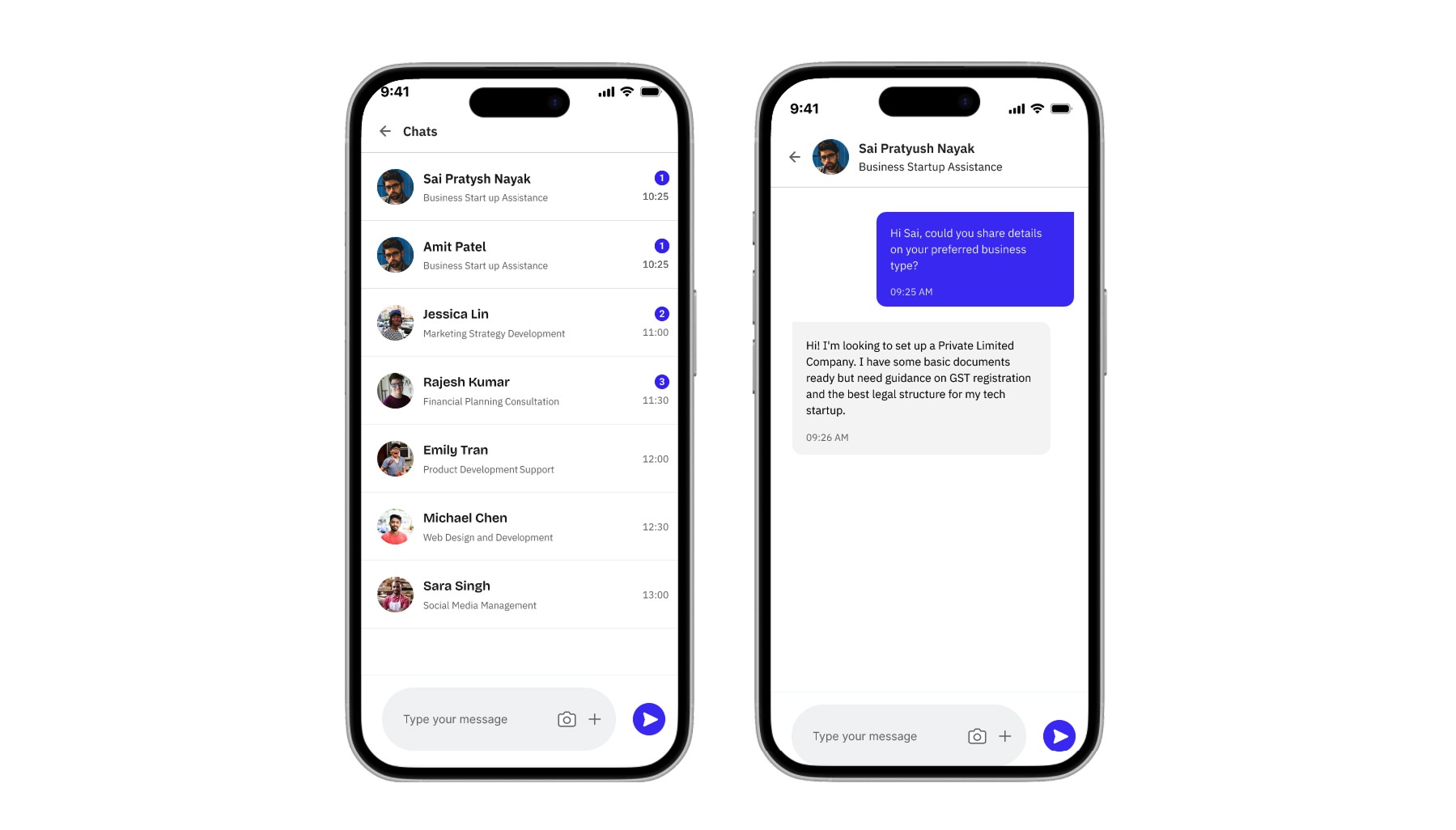
Communicating Across Time Zones & Spotty Connectivity
Once assigned, SP needs to coordinate with NR who might be:
8+ hours ahead or behind in timezone
Available only at odd hours (India evening = US morning)
Expecting updates but not available for real-time chat
✅ Solution
Async-first chat interface:
Read receipts with timezone-aware timestamps (v2 implementation)
No "typing..." or "online" indicators (prevents real-time pressure)
Rich media support: photos, PDFs, voice messages
4.5
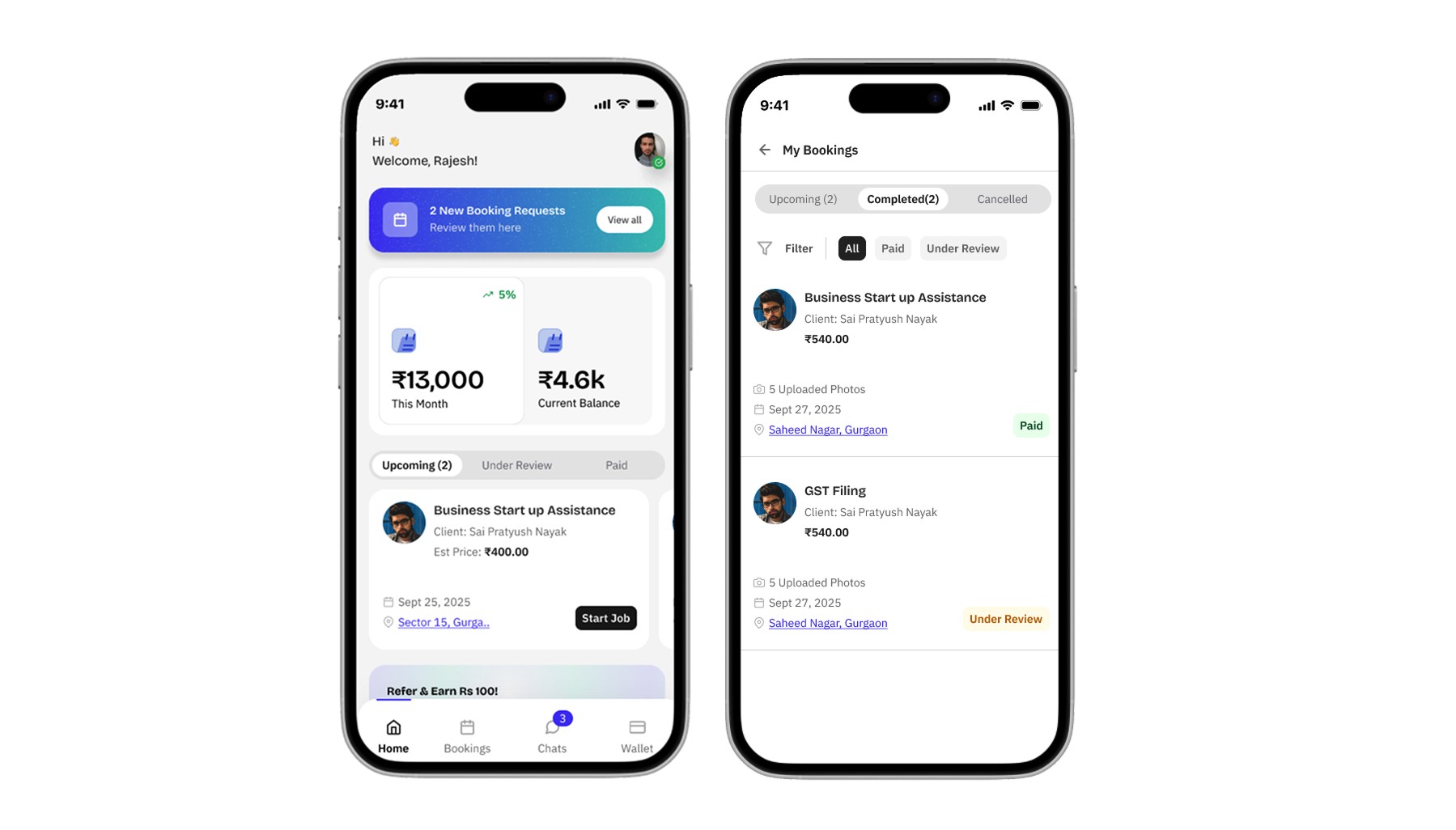
Managing Multiple Assignments Simultaneously
Job dashboard with visual status
4.6
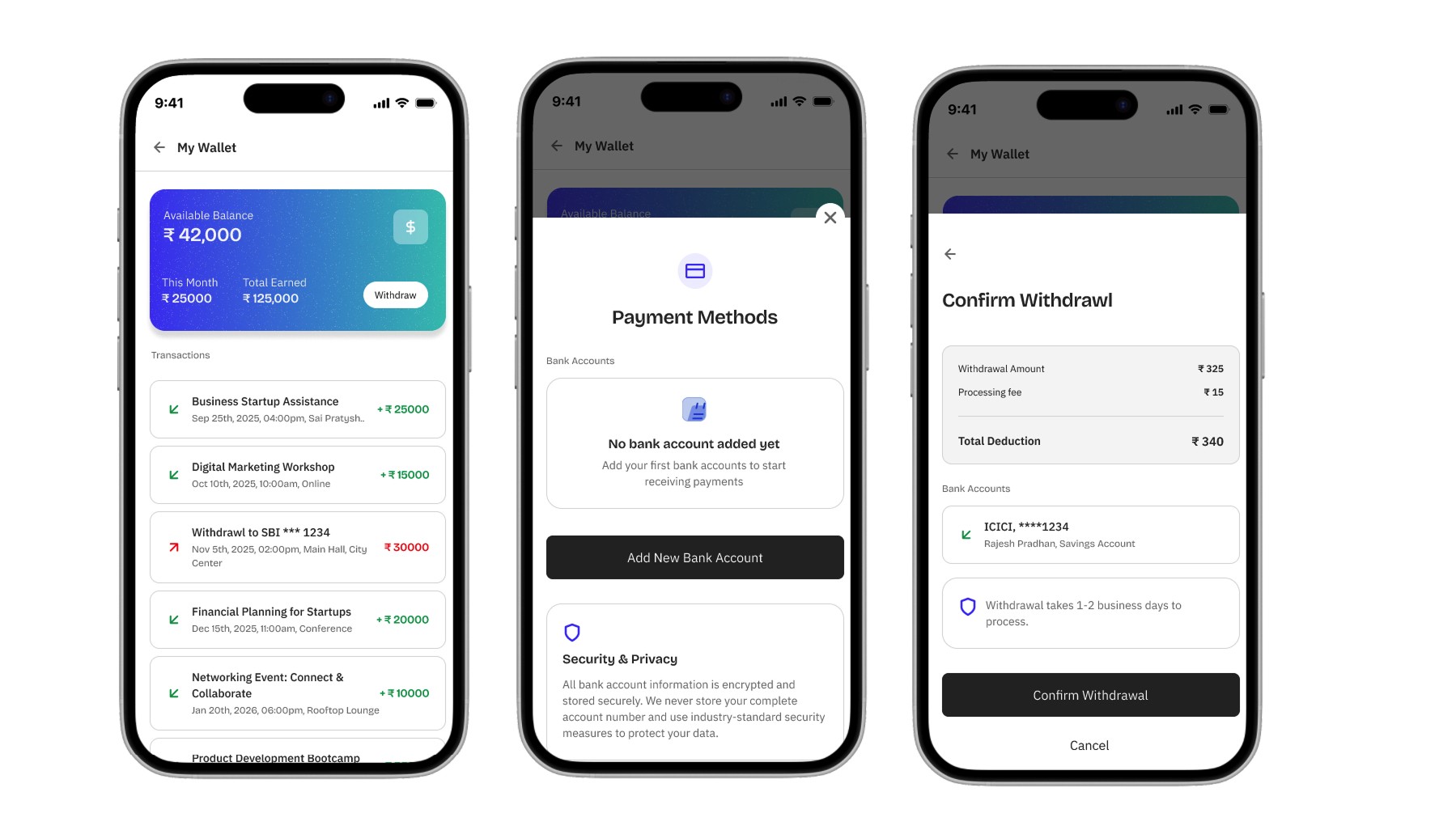
Managing Wallet